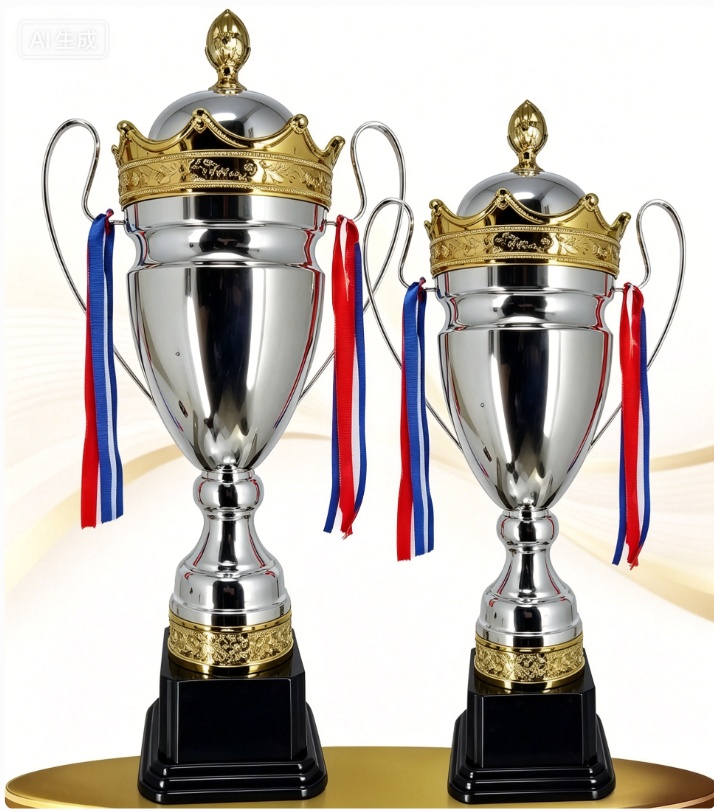

A perpetual trophy is an award that is not given away permanently. The champion keeps it for a season, and each year a new name is engraved on its base or an attached plate. It is the format behind the Stanley Cup, the FA Cup and Wimbledon’s Challenge Cup — and it is one of the most effective ways to build long-term meaning for a league, school or company.
1. What Makes a Trophy “Perpetual”?
The defining features are simple:
- The same trophy is presented each year
- Each champion is added to a permanent record (engraved plate, base ring or internal sleeve)
- Replicas or smaller keepsakes may be given to winners while the original stays in circulation
Because the trophy accumulates names over decades, it becomes a history object — which is exactly why sponsors, players and fans treat it differently from a disposable award.
2. Famous Examples
| Trophy | Format | History |
|---|---|---|
| Stanley Cup | Perpetual bowl with banded rings | Since 1893; rings added as names fill |
| FA Cup | Perpetual cup with engraved base | Since 1872; replicas issued to winners |
| Wimbledon Challenge Cup | Perpetual cup with engraved plates | Since 1887 |
| Ryder Cup | Perpetual gold cup | Since 1927 |
The pattern is consistent: a trophy that stays in the family of the sport builds more ceremony than one that is retired with each winner.
3. Benefits for Your League or Organization
- Tradition: year two already feels like history when the first champion’s name is on the plate.
- Photo value: the same iconic trophy appears in every championship photo, reinforcing your brand.
- Cost efficiency: one high-quality trophy plus annual plates usually costs less over five years than a new trophy every season.
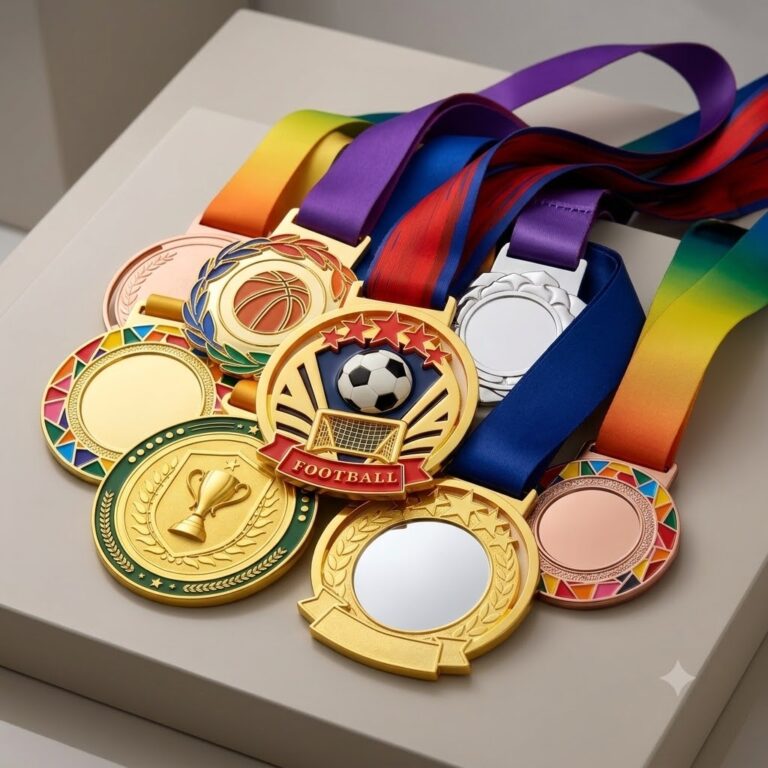
- Keepsake control: winners receive replicas, rings or medals — scaling the budget to the size of the roster.
4. How Perpetual Trophies Are Manufactured
The trophy body is produced like any premium award — die-cast metal, resin or crystal, with plating and finishing — but the engraving system needs careful planning:
- Base plates: removable or replaceable plates that accept a fixed number of names per year
- Banded rings: stacked rings (Stanley Cup style) added when a section is full
- Internal sleeves: name cylinders stored inside the trophy base
- Replica casting: smaller cast versions for winners, made from the same mold family
Good design means the trophy never looks “full”: plate positions, spacing and font are planned for 20–50 years of additions.
Read the manufacturing details: How Trophies Are Made · Trophy Materials Guide
5. Order Your Perpetual Trophy Program
Tell us your sport, ceremony style and expected champion count per year. We will design the trophy, plan the engraving system, and quote the original trophy plus replacement plates and replica keepsakes.
Chat with us on WhatsApp (+86 182 5899 2555) · susan@jzstationery.com
Frequently Asked Questions
What is a perpetual trophy?
A perpetual trophy is presented to the winner for a period (usually one year), then returned to circulate again. Champions’ names are engraved on plates or rings so the trophy accumulates history.
Can champions keep anything?
Yes. Most programs give champions a replica trophy, ring, medal or engraved plaque, while the original perpetual trophy remains with the organizer.
What materials are best for perpetual trophies?
Metal (zinc alloy with gold or silver plating) is the classic choice for durability and presence. Crystal and resin are options for corporate or lighter programs.
How are names added each year?
Through engraved base plates, banded rings or internal sleeves — the system is planned during manufacturing so future engraving is always possible without rebuilding the trophy.
Can you make replicas of an existing trophy?
Yes. Send us photos and dimensions; our mold team can produce replica castings in the same design family for winners, scaled to your budget.